What Full-Cycle Software Development Actually Means
Full-cycle software development is a methodology where one team owns the entire product journey — from initial concept through deployment and ongoing maintenance — instead of handing the product between separate vendors or internal teams at each stage. The main advantage isn't speed; it's continuity. The team that made the original architecture decisions is still around to fix or extend them later, which removes the most expensive failure mode in software projects: context lost at a handoff.
The Six Stages, In Practice
Stage 1. Concept formulation
Turning a business idea into a concrete product direction — what problem it solves, for whom, and why now. Skipping rigor here is the root cause of scope problems that show up much later and cost far more to fix.
Stage 2. Requirements gathering
Translating the concept into specific, buildable requirements — functional and non-functional both. A team that starts building before this is genuinely locked down is building against a moving target.
Stage 3. Software architecture selection
Choosing the technical foundation — stack, infrastructure, and integration approach — based on the product's actual requirements rather than defaulting to whatever the team used last time. The right choice here is what makes the product cheap to extend later instead of expensive to rebuild.
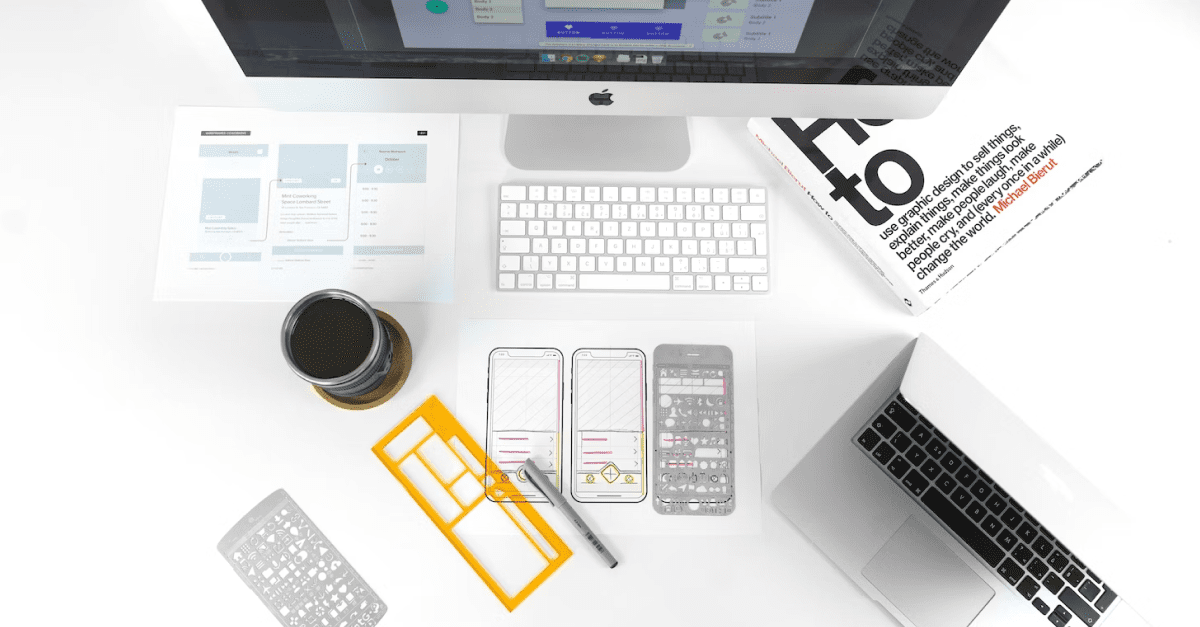
Stage 4. Design: UX and interface planning
User experience design comes before visual design — mapping how someone actually moves through the product before deciding what it looks like. Getting this order backwards is a common reason products look polished but feel confusing to use.
Stage 5. Development
Front-end and back-end work happening in coordinated sprints, with regular code review and integration rather than each side working in isolation until a late "merge everything" phase.
Stage 6. Testing, deployment, and maintenance
Full functional, security, and usability testing before launch, followed by ongoing maintenance that a full-cycle team can handle directly, since they already understand the system rather than needing to onboard onto someone else's codebase.
The Most Common Pitfalls
An inexperienced team is the most damaging risk, since mistakes at the architecture stage compound expensively later. Choosing the wrong technology for the actual problem, over-engineering architecture complexity beyond what the product needs, leaving security gaps unaddressed until late in the process, and — most common of all — starting development against an unclear project scope. That last one alone accounts for more budget and timeline overruns than any technical issue.
Working on something like this? See our Custom Web Development →
Making It Work: Practical Guidance
Define your team's best practices and stay current on relevant trends rather than defaulting to whatever was standard three years ago. Develop gradually — shipping and validating in stages beats a single massive release. Keep user experience central to every decision, not just the design phase. Use Agile methodology to stay adaptable as real requirements surface. And apply MVP thinking even inside a full-cycle engagement — the full product vision doesn't need to be built before you've validated the core of it works.
Choosing a Full-Cycle Partner
Check their portfolio for products genuinely comparable to what you're building, not just the same broad industry. Read reviews on independent platforms like Clutch or G2 rather than relying only on testimonials the vendor selected themselves. Look at the history of their client partnerships — long-standing relationships are a stronger signal of reliability than a single large client logo. And confirm their tech stack actually fits your specific requirements, rather than assuming any team can work in any stack equally well.
What This Costs
Typical full-cycle engagements run $30,000-200,000+, with product complexity as the dominant driver rather than the specific methodology or framework in use. A focused MVP-scope engagement sits at the low end; a multi-role platform with complex integrations and multiple user types sits toward the top.
Looking for a team to own your product end to end? Talk to our team, or see our digital product development work for how we structure full-cycle engagements.